The information we provide at DietDoctor.com is not intended to replace consultation with a qualified medical professional. By interacting with this site, you agree to our disclaimer. Read more
Dietdoctor.com uses cookies to ensure that you have the best possible experience. By continuing without changing your settings, you are accepting the use of cookies. Read more
High-protein diets are better for fat mass loss than low-glycemic diets, according to a new study published in the journal Nutrients. This finding has significant implications for healthy weight loss.
Why? Not all diets are the same, and not all weight loss is the same. If you are interested in weight loss, you should aim to lose weight in the healthiest way possible.
That means mainly losing fat mass instead of lean body mass, improving your metabolic health, and making sure you can maintain your dietary lifestyle long-term.
Eating enough protein may be an essential ingredient for ensuring your weight loss is healthy.
The study in Nutrients randomized 35 overweight or obese adults without diabetes to either a high-protein diet (30% calories from protein, 40% carbs, and 30% fat) or a low-glycemic index diet (20% protein, 50% carbs, and 30% fat) for four weeks.
The subjects then switched to the other diet during the remaining four weeks. Both diets were energy-restricted, providing a 30% calorie reduction from daily energy needs.
Both groups lost similar amounts of weight, about four kilos (8.8 pounds) in the first four weeks and two kilos (4.4 pounds) in the second four weeks.
However, those who started with the high-protein diet lost more fat mass than those who started with the low-glycemic diet — 4.6 kilos (10 pounds) versus 2.2 kilos (4.8 pounds). And those on the high-protein diet showed better maintenance of lean muscle mass.
Based on these study results, we can conclude that higher protein intake is beneficial for losing fat mass and retaining lean body mass, even when part of an energy-restricted diet.
But this study may have underestimated the benefits of a high-protein diet in a real-world scenario.
The study prescribed short-term calorie restriction for both dietary patterns. Since the calorie reduction was the same, it makes sense that the weight loss was also equivalent. That equation usually holds true — at least in the short-term.
But for long-term success, a diet that improves feelings of fullness and limits hunger so that calories are reduced naturally is essential.
A trial, such as the one from Nutrients, that mandates calorie restriction could negate one of the benefits of high-protein diets — which is that more protein usually leads to greater satiety and natural calorie restriction. A high-protein diet may provide the “best of both worlds” with better satiety and healthier weight loss than lower protein approaches.
You can read more about the importance of protein and how to get more in your diet in our numerous guides, including:
If you live a kosher, keto lifestyle, we’re here to help! We designed this seven-day meal plan with your dietary needs in mind.
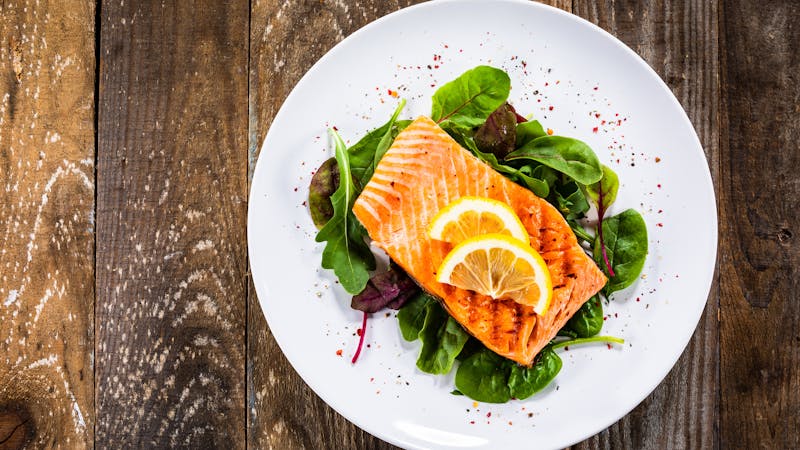
With easy, budget-friendly recipes, this week’s plan is perfect for families. From Keto coconut curry chicken to our Keto fried salmon, these colorful, nutrient-rich menu items are sure to entice eaters of all ages.
The best part? This plan, which includes some of our favorite test kitchen-approved recipes, will keep you under 20 grams of carbs per day.
And remember: You can always modify any of these recipes to better suit your family’s preferences. Perhaps you have a little one who doesn’t love salmon? Swap it for any flaky white fish you prefer. Flexibility is key.
How do you know if your diet and lifestyle are improving your health? You can test!
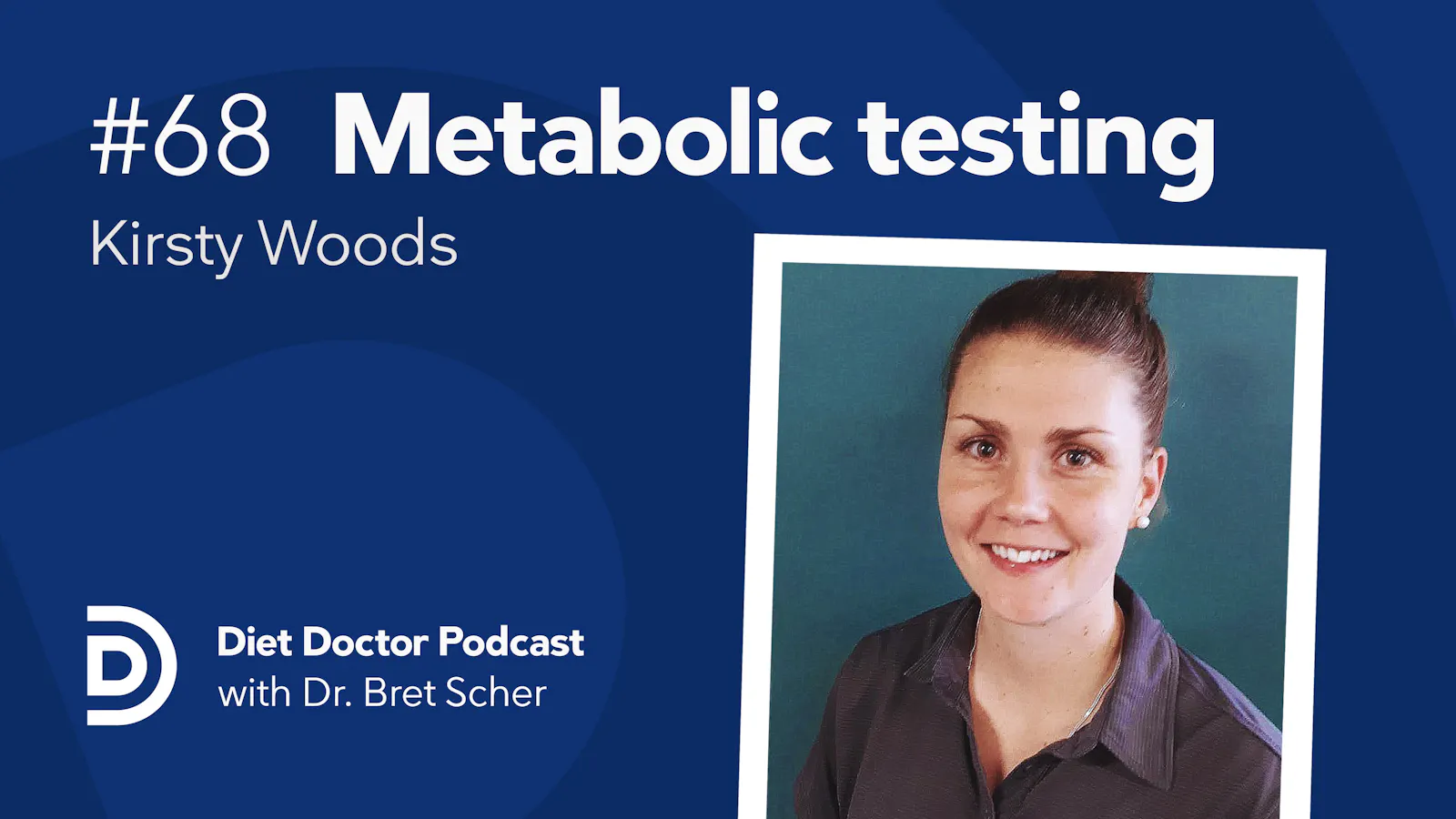
Kirsty Woods is an exercise physiologist who uses metabolic rate and respiratory quotient to help her clients lose fat and gain muscle — exactly what we want for healthy weight loss.
In this podcast, we discuss the basics of metabolic testing and body composition analysis, and we go into the details you need to know to understand how these tests can help you. You’ll learn what you should look for in the results, too.
Listen in for a practical tour de force on metabolic testing!
As a member you have access to the podcasts as soon as they are published. Start your free trial now! Check all of our podcast episodes here.
Table of contents
00:00 Introduction
01:54 What is indirect calorimetry?
05:50 What is basal and resting metabolic rate?
07:39 Why do we want to avoid decreased metabolic rate?
13:52 How Kirsty uses testing in her clinic?
19:44 Indirect calorimetry and intermittent fasting
25:51 What the bioimpedance scale tells us
30:02 The big three pillars of exercise types
35:52 Accessibility of this metabolic test
39:19 About the different body composition tests
46:16 The role of supplements for healthier weight loss
48:39 About bariatric surgery
52:09 Where to find Kirsty Woods
About the video
Virtual podcast recorded in January 2021, published in April 2021.
Host: Dr. Bret Scher
Producer: Hari Dewang
The information we provide at DietDoctor.com is not intended to replace consultation with a qualified medical professional. By interacting with this site, you agree to our disclaimer. Read more
Dietdoctor.com uses cookies to ensure that you have the best possible experience. By continuing without changing your settings, you are accepting the use of cookies. Read more
Do you want a personalized weight loss meal plan based on your preferences?
Our personalized meal plans are designed to suit your needs and goals. They feature delicious, easy-to-prepare meals that you’ll love — with all of the planning done for you.
Just answer a few questions — such as how much weight you want to lose and what kinds of food you like to eat — and you’ll receive a customized weight loss meal plan almost instantly.
Although protein is found in a wide variety of animal and plant foods, the amounts can differ quite a bit. Here are the top 8 high-protein foods to choose from, along with a few ways to include them in your diet.
1. Meat
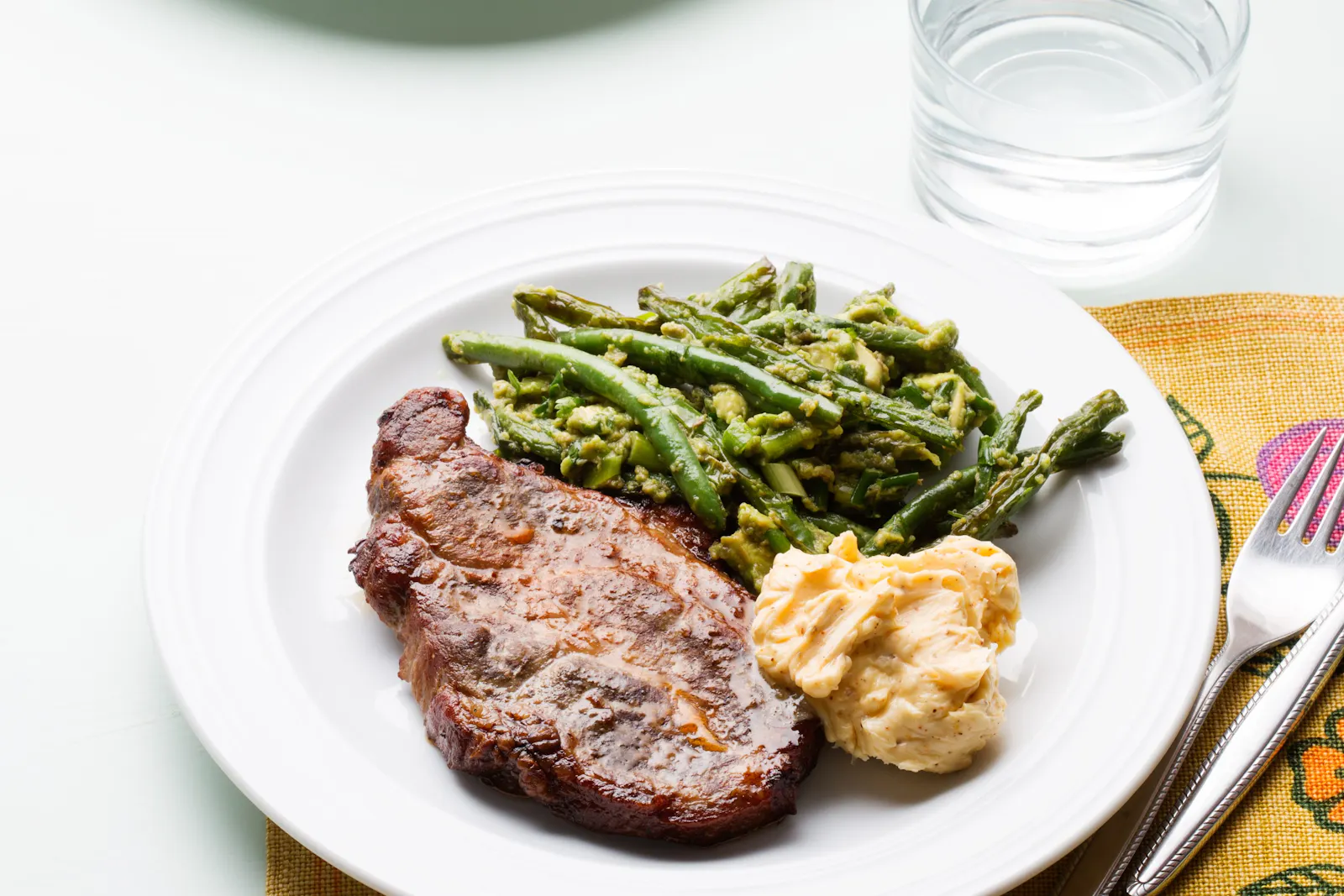
Meat is tasty, filling, and an excellent protein source. Contrary to criticisms that have been made about red meat (beef, pork and lamb), eating it on a regular basis may potentially be beneficial for weight loss, blood sugar control, and insulin resistance.
Additionally, red meat intake has been shown to increase muscle mass and strength when combined with resistance training. And frequent poultry (“white meat”) consumption may also be helpful for losing weight.
Of course, the rest of the diet matters as well, so it can often be a challenge to attribute a benefit to one particular food.
Here are the amounts of protein per 100 grams (3.5 ounces) of cooked meat (about the size of a deck of cards), unless otherwise noted:
Chicken breast: 30 grams
Lean steak (filet mignon, top sirloin): 30 grams
Lean pork (tenderloin, ham): 26 grams
Lamb shank: 26 grams
Chicken thigh: 22 grams
Lamb chops: 22-24 grams (serving size: 3 small lamb chops)
Fatty steak (ribeye): 20-23 grams
Bacon: 20-22 grams (serving size: 5 slices, or 60 grams)
Fatty pork (ribs, shoulder, butt):20-22 grams
Sausage: 18-20 grams
Cooking an extra portion of grilled or roasted meat for dinner and using the leftovers for lunch the next day can save time while helping you meet your protein requirements.
Popular Diet Doctor meat-based recipes:
2. Eggs
It’s tough to find a food more versatile than the egg. Whether used in omelets, quiches, baked goods, or served alone, eggs provide high-quality protein at an affordable price. And whole eggs seem to have the edge over egg whites for building muscle.
Three large eggs provide about 19 grams of protein.
Although often viewed as a breakfast staple, eggs are a smart protein choice anytime. Keeping a supply of hard-boiled eggs in the fridge sets you up with a great grab-and-go protein option for busy days.
Popular Diet Doctor egg-based recipes:
3. Soy
Soy is the only plant protein source that provides adequate amounts of all nine essential amino acids your body can’t make on its own. In some studies, soy protein has been found to provide appetite control and weight loss benefits comparable to meat. And like eggs, soy is versatile and economical.
We realize that soy is a controversial topic. In our food policy on soy, we discuss why the benefits may outweigh the risks of soy, especially for vegetarians and vegans.
Several protein-rich soy products are low enough in net carbs to fit low-carb or keto lifestyles:
Canned black soybeans: 20 grams of protein and 2 grams of net carbs per cup (200 grams)
Tempeh: 18-20 grams of protein and 4-7 grams of net carbs per 2/3 cup (100 grams)
Nattō: 18-20 grams of protein and 9-12 grams of net carbs per 1/2 cup (100 grams)
Edamame beans: 17 grams of protein and 5-7 grams of net carbs per 1 cup (155 grams)
Tofu (extra firm): 18-20 grams of protein and 4 grams of net carbs per 1 cup (250 grams)
Buy a bag of frozen edamame beans and sprinkle some shelled ones into soups and salads, or steam them as a vegetable side dish. Fried firm tofu can make a great, crispy, high-protein alternative to salad croutons.
Popular Diet Doctor soy-based recipes:
4. Fish
Like meat and poultry, fish is an excellent source of protein. In addition, oily or fatty types are rich in essential omega-3 fatty acids, which may have some beneficial effects on health.
What if you don’t like some types of fish, especially those that taste too “fishy”? Good news: all kinds of fish are rich in high-quality protein and other nutrients.
Here are the amounts of protein in 100 grams (3.5 ounces) of cooked fish (about the size of a deck of cards):
Non-oily fish (most types, including canned tuna): 24-28 grams
Oily or fatty fish (salmon, herring, sardines, mackerel, anchovies): 20-26 grams
Fresh fish is delicious when consumed the same day it’s prepared. However, smoked, frozen, and canned fish are also great options that have longer shelf lives, take less time to prepare, and are less expensive than fresh.
Popular Diet Doctor fish-based recipes:
5. Legumes
Beans and other legumes can be good protein options for vegetarians and vegans. They’re high in fiber, and a few trials suggest that a legume-rich diet may decrease insulin resistance and reduce heart disease risk factors in some people.
However, the protein in legumes is less easily absorbed than protein from animals and doesn’t provide all the essential amino acids in the amounts your body needs. Additionally, most legumes are considerably higher in net carbs than the other protein sources in this guide.
Here are the protein and net carb counts for one serving of various cooked legumes:
Lupini beans: 25 grams of protein and 11 grams of net carbs per 1 cup (166 grams)
Lentils: 18 grams of protein and 24 grams of net carbs per 1 cup (200 grams)
Black beans: 16 grams of protein and 26 grams of net carbs per 1 cup (170 grams)
Pinto beans: 15 grams of protein and 25 grams of net carbs per 1 cup (170 grams)
Chickpeas/garbanzo beans: 11 grams of protein and 26 grams of net carbs per 1 cup (164 grams)
Green peas: 10 grams of protein and 20 grams of net carbs per 1 1/4 cups (200 grams)
6. Greek yogurt
When choosing yogurt, go for Greek. It’s made by straining the liquid whey from yogurt, resulting in a thicker product that’s higher in protein and lower in carbs than other types. In one study, a higher-protein yogurt snack reduced hunger and increased fullness more than a lower-protein yogurt snack.
Most plain Greek yogurts contain about 15-18 grams of protein and 5 grams of carbs per 170-gram (3/4 cup) container. However, make sure to read nutrition labels, as protein and carb counts vary from brand to brand.
Try Greek yogurt as a sour cream substitute, topped with chopped nuts, or simply enjoy its creamy goodness alone.
Popular Diet Doctor recipes featuring Greek yogurt:
7. Shellfish
Various types of shellfish are popular because of their delicate flavor and texture. Most are rich in high-quality protein and other essential nutrients. One notable exception is oysters, which are relatively low in protein compared to other kinds of shellfish.
Crustaceans like shrimp, lobster, and most crab are essentially carb-free. However, mollusks like clams, mussels, and scallops do contain some carbs —something to keep in mind if you’re on a strict keto diet.
Check out this list to see how much protein you’ll get from your favorite shellfish (values are per 100 grams/3.5 ounces of cooked shellfish, except where noted):
Shrimp: 24-26 grams protein per 10-15 large shrimp
Crab: 20-24 grams per 1 crab leg
Clams: 24-26 grams of protein and 5 grams of carbs per 10 small clams
Lobster: 20-24 grams per medium lobster tail (about 140 grams)
Mussels: 22-24 grams of protein and 7 grams of carbs per 20-25 mussels
Scallops: 20-22 grams of protein and 4-5 grams of carbs per 6 large sea scallops
While fresh shellfish is always a treat, canned varieties can be handy to keep in the pantry for a quick boost of protein.
Popular Diet Doctor shellfish recipes:
8. Protein powder
At Diet Doctor, we recommend consuming mainly minimally processed foods. So you may be surprised to see protein powder on this list.
We’ve included it because it may be helpful for some vegans and vegetarians who struggle to meet their protein needs on a keto or low-carb diet. This is especially true for vegans who don’t consume soy.
So while we will always recommend that you choose fewer processed foods, we feel that occasionally using protein powder might make sense for some people.
Plant-based protein powders include pea, pumpkin seed, and various grain and legume mixtures. Most provide about 20 grams of protein per serving, and many are low in carbs. For more information and suggestions, see our vegan essential nutrient needs guide.
Here are three Diet Doctor recipes featuring protein powder:
Summary
Knowing which foods are highest in protein can help you meet your protein needs. But don’t be concerned if you either don’t like or prefer to avoid some of the foods on the list. As you can see, there are many high-protein options. Choose the kinds you like, be sure to eat one or more protein serving at every meal, and try to mix it up a bit for variety.
Start your FREE 30-day trial!
Get instant access to healthy low-carb and keto meal plans, fast and easy recipes, weight loss advice from medical experts, and so much more. A healthier life starts now with your free trial!
We have some exciting news: Seattle family doctor and protein expert Dr. Ted Naiman is joining the Diet Doctor team.
Dr. Naiman will be helping us to help you more effectively lose weight, improve your health, and improve your body composition.
He’ll be helping you understand how to potentially leverage higher levels of protein and nutrients in your low-carb diet for better results.
“Ted is a rare kind of doctor,” says Dr. Andreas Eenfeldt, founder and CEO of Diet Doctor. “He’s extremely insightful about practical lifestyle interventions for improving health and weight. Ted knows a lot about what works and how to communicate it.”
“I’m super happy about working with him to make our website and products even more empowering for people,” Dr. Eenfeldt says.
Dr. Naiman is a clinical expert on the relationship between getting enough protein versus getting too much toxic energy from carbs and fat. He calls this relationship the protein-to-energy ratio of foods, or P:E.
“I am very excited to join Diet Doctor’s passionate and dedicated team,” says Dr. Naiman, who is the author of The P:E Diet: Leverage your biology to achieve maximum health. “What I bring is decades of real-world patient experience and a deep experience of nutrition and metabolism.”
Avid following for his insights
Dr. Naiman has some 63,000 Twitter followers for his health, fitness, and protein-to-energy insights, which include creative but simple infographics that communicate complex nutritional information.
He will be working one day a week for the company and the rest of the week continuing with his busy primary care practice in Seattle.
“What’s my particular direction and focus for Diet Doctor? It will be helping people maximize satiety per calorie using tools like protein percentage, energy density, and nutrient density,” Dr. Naiman says.
Those terms all relate, in general, to the quality of the protein and minerals in the food you eat compared to the excess energy — or empty calories — from carbs and fat that have no nutrient value.
By increasing the protein percentage of your food, while still keeping your carbs low, you may lose more weight, reduce your body fat, and increase lean muscle — thereby improving your body composition.
In the months ahead, Dr. Naiman will help us explain and actualize these more complex nutritional concepts in simple terms. He’ll also advise Diet Doctor on programs and meal plans to help people achieve maximum results in weight loss and health improvement.
The goal will be to help you figure out if a higher protein approach is right for you and to help you determine what level of protein you should eat, while still enjoying satisfying and delicious food.
Pioneering low-carb physician
To understand how Dr. Naiman will aid this expansion of the Diet Doctor offerings, it helps to understand Dr. Naiman’s story as a low-carb physician who has been helping patients for more than 20 years.
As detailed in an in-depth 2018 profile on Diet Doctor , Dr. Naiman trained first as an engineer and then went into medicine. He was a newly graduated medical student in 1997 when a formerly obese patient with diabetes came in for an appointment. The patient had lost more than 30 pounds and reversed his diabetes by using the low-carb Atkins diet.
Dr. Naiman was “blown away” by his patient’s amazing transformation — and then perplexed by his medical superiors’ complete dismissal of the diet and the patient’s results.
This propelled him to learn everything he could about carbohydrate restriction, as well as the role of the macronutrients fat and protein, and the body’s need for various essential nutrients. He applied his engineering skills in “root cause analysis” to examine how the food we eat contributes to poor health and obesity.
Raised in a vegetarian environment, Dr. Naiman tried a low-carb diet himself and saw his health transform. Painful eczema that had plagued him since childhood went away, as did his obsessive-compulsive disorder. He greatly improved his body composition.
He began recommending low-carb or keto diets to patients more than two decades ago, making him one of the pioneering US physicians with a long track record of helping patients with the diet. He estimates he has now helped thousands of patients with a low carb or keto diet, many of whom have had extraordinary results in health improvement and weight loss.
But why did some patients stall?
Over the years, however, he noticed a recurring issue: not everyone doing a low-carb or keto diet achieved great, long-lasting success.
“I’ve seen so many patients in my practice go on keto, lose 20 pounds, get fat-adapted, feel great and then stall out super hard,” Dr. Naiman says.
Some were simply unable to lose more weight even though they had lots to lose; others might even start gaining weight while still cutting out all the carbs.
What was happening?
“I had to try to figure it out and I realized on a high-fat keto diet, some people were treating fat as if it were a free food. Once carbs were out of the equation, it really comes down to the fat. If you eat more grams of fat than you burn every day, then you are not really going to lose any weight and you may even gain weight.”
Dr. Naiman realized that, when few carbs were in the diet, the culprit for stalls or poor results was usually refined fats, which have a high energy density: butter, oils, heavy cream, fat bombs, high-fat nuts, and high-fat dairy.
When stalled-out patients started watching and reducing the refined fat (while still keeping carbs low), and increasing their consumption of satiating protein and fiber, they did not go hungry, but they did start to lose weight again.
“I’ve now had a ton of success getting patients to eat lower energy density foods by upping their protein and fiber and minimizing not only their refined carbs but their refined fats as well,” Dr. Naiman says.
What is the P:E of your food?
Through this clinical experience, his concept of the protein-to-energy ratio, or P:E, was born. This literally means: how much protein are you eating in relation to refined carbs and refined fats? For more success, increase the protein and fiber while decreasing carbs and fat. This increases the “satiety per calorie” and the nutrient density of your food.
Dr. Naiman recommends, wherever you are in your diet, that you try to incrementally increase your protein and fiber to see how you feel. See if that change helps you lose more weight and body fat.
Based on Dr. Naiman’s advice, Dr. EenfeIdt has been deliberately increasing his protein and fiber intake, after more than 15 years on a low-carb or keto diet. While always fit, healthy, and at a good weight, Dr. Eenfeldt was surprised when he, too, dropped more pounds, reduced his waist size and his body fat percentage, while increasing his lean muscle mass and strength. His blood pressure reduced, too.
“It’s been very eye-opening for me after doing a low-carb diet for so long that I still could lose some more body fat without hunger and I could still improve various health markers,” Dr. Eenfeldt says.
“It’s clear, both in the research science and clinical experience, that by targeting foods that are high in protein, you end up meeting your essential nutrient needs and feeling full while eating less energy, which may help you lose weight,” Dr. Eenfeldt says.
D. Eenfeldt added, however, that “If you are doing the keto diet for epilepsy, or other neurological conditions, or are at a weight you are happy with, you can be more generous with the fat.”
Over the months ahead, Diet Doctor will help you find out if the higher protein approach is right for you as an additional option. Have no fear! Our vast array of delicious recipes will not change, we will be just adding some higher protein recipes and meal plans and helping you understand how to find out which approach is best for you.
You may notice that we will talk a bit more about protein versus energy (i.e. carbs and fat) as a percentage of calories of various foods and meals. And there may be less emphasis on added fat in recipes so that it helps you understand that fat is not a “free food” but a lever for weight loss that you can adjust based on your needs.
Dr. Eenfeldt notes that Diet Doctor is committed to constantly evaluating the science and adjusting our guidance to our members and followers in light of new information — while still helping everyone enjoy delicious, satisfying food that improves their health and helps them achieve a weight that is right for them.
We are delighted that Dr. Naiman will now become a valued team member to help us further empower our members to reach their health and weight goals.
—
By Anne Mullens